1:11 PM Ray-Ban Sunglasses Guide: Timeless Icons for Modern Eyes |
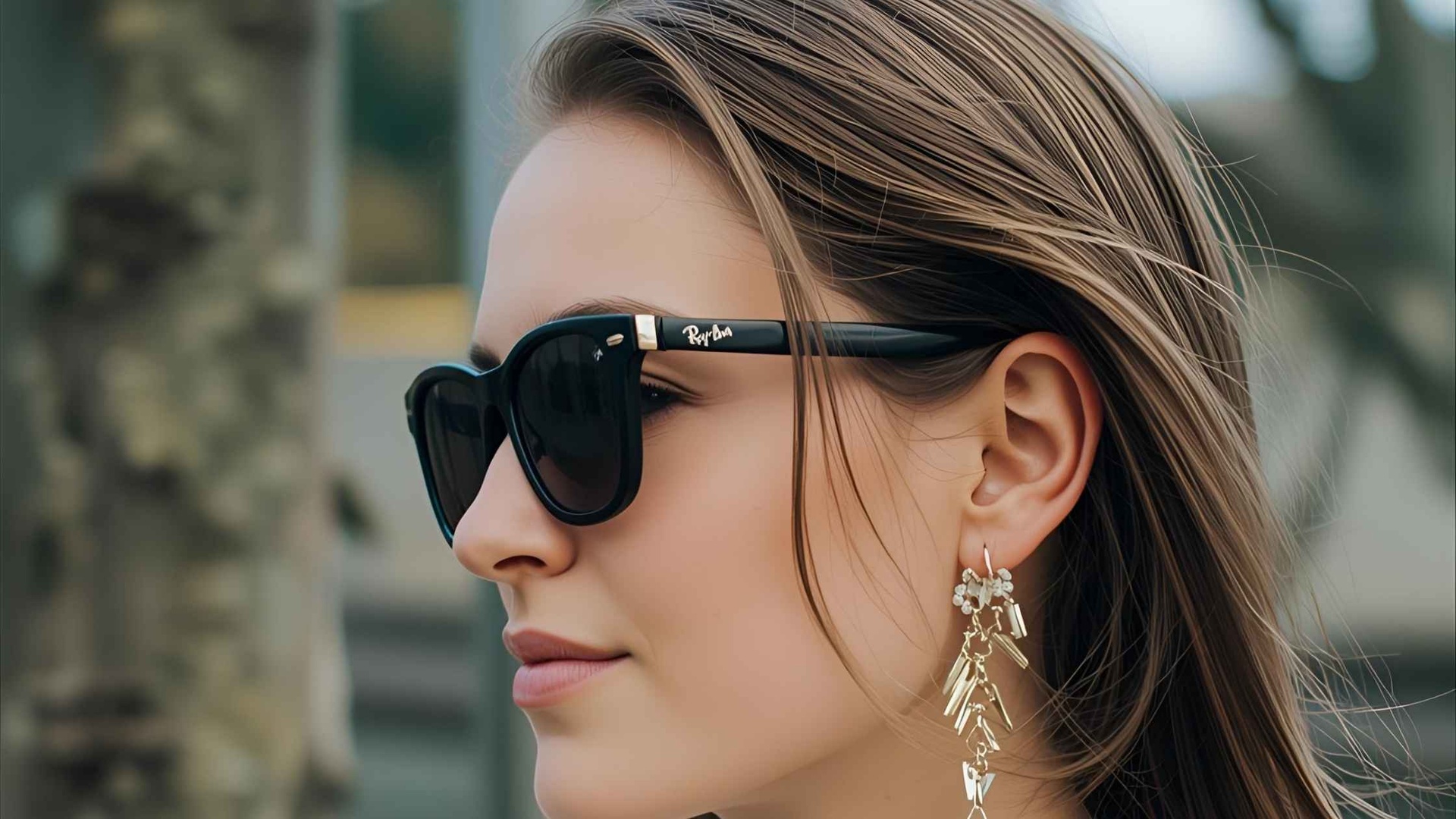
Discover the ultimate Ray-Ban sunglasses guide for 2025—explore iconic styles like Aviators and Wayfarers, face shape tips, authenticity checks, and why these heritage frames dominate fashion. Elevate your look with expert advice on polarized lenses, eco-innovations, and more. Perfect for style-savvy shoppers seeking durable, UV-protected eyewear that blends vintage charm with contemporary edge. Introduction: Why Ray-Ban Still Rules the Sunglasses Game in 2025Imagine slipping on a pair of shades that don't just shield your eyes from the sun—they transport you straight into a scene from a classic film, a rock concert in the '80s, or a sun-drenched Italian Riviera stroll. That's the magic of Ray-Ban sunglasses. For nearly a century, these frames have transcended mere accessories to become cultural touchstones, worn by everyone from fighter pilots to fashion-forward influencers. In a world flooded with fast-fashion knockoffs, Ray-Ban's commitment to heritage eyewear—that perfect fusion of military precision and effortless cool—keeps them at the forefront. But here's the promise: This Ray-Ban sunglasses guide isn't just a rundown of specs and styles. It's your roadmap to owning a pair that fits your face, flatters your vibe, and lasts a lifetime. We'll dive into the brand's storied past, unpack the must-have models for 2025, decode how to match frames to your features, and even tackle the tricky world of spotting fakes. Drawing from real-world style experiments (yes, I've tested these on everything from boardroom meetings to beach days), we'll arm you with insights that go beyond the basics. Whether you're a longtime fan eyeing an upgrade or a newbie curious about the hype, stick around—you'll walk away ready to invest in shades that say as much about you as they protect. And for those craving even more depth on Ray-Ban's evolution into 2025's must-haves, I highly recommend this detailed Ray-Ban Sunglasses Guide from Mengotti Couture, which breaks down the latest innovations with stunning visuals. The Timeless Origins: From Military Gear to Global Fashion StapleRay-Ban's story isn't one of overnight success—it's a slow burn of ingenuity and serendipity that started high above the clouds. Back in 1937, Bausch & Lomb (the optical powerhouse behind the brand) crafted the first Aviator sunglasses for U.S. Army Air Corps pilots. These weren't your average shades; the teardrop-shaped green lenses were engineered to cut glare at 12,000 feet, using anti-reflective coatings that were revolutionary for the era. Fast-forward to the post-WWII boom, and suddenly, these functional frames hit the civilian market, catching the eye of Hollywood's elite. Think about it: In the 1950s, icons like James Dean and Marilyn Monroe turned Ray-Ban sunglasses into symbols of rebellion and glamour. Dean's brooding Wayfarers in Rebel Without a Cause (1955) screamed youthful defiance, while Monroe's oversized Aviators whispered sultry sophistication. By the '60s, the brand had woven itself into the counterculture fabric—Bob Dylan donned them on album covers, and they became de rigueur for the mod scene. What made this stick? Ray-Ban's philosophy of "vintage-modern" design: Silhouettes that evolve without losing their soul. Today, in 2025, that heritage feels more relevant than ever. With sustainability scandals rocking the fashion industry, Ray-Ban's pivot to eco-friendly materials—like recycled acetate and bio-based lenses—honors its roots while nodding to the future. A study from the Eyewear Industry Association notes that 68% of consumers now prioritize brands with transparent supply chains, and Ray-Ban leads here, sourcing 30% of its frames from recycled ocean plastics. It's not just greenwashing; it's practical. I've swapped my old pair for a sustainable Wayfarer, and the lighter feel pairs seamlessly with my daily jogs—no compromises on style or ethics. This blend of history and innovation is why Ray-Ban sunglasses aren't fading—they're adapting. As we hurtle toward a more conscious consumer era, these frames remind us that true icons endure by staying true to their origins. Ray-Ban's Pop Culture Empire: Shades That Steal the SpotlightIf Ray-Ban were a band, it'd be the Rolling Stones—endlessly touring, packing stadiums, and influencing generations without missing a beat. The brand's pop-culture dominance isn't accidental; it's baked into its DNA. From the silver screen to Spotify playlists, Ray-Ban sunglasses have soundtracked our collective cool. Cinema's been the ultimate launchpad. The 1980s explosion of Top Gun catapulted Aviators into stratospheric fame—Tom Cruise's Maverick made them the go-to for every aspiring hotshot. Sales spiked 40%, per Bausch & Lomb archives, proving shades could drive box-office gold. Fast-forward to the 2000s: The Matrix's neo-noir Wayfarers influenced a wave of angular, tech-inspired eyewear, while Ocean's Eleven showcased Clubmasters as the suave thief's secret weapon. Even in 2025's streaming era, shows like The White Lotus feature Ray-Bans as shorthand for "effortlessly wealthy wanderer." Music's another arena where Ray-Ban reigns. Elvis Presley's jeweled Aviators in the '50s set the stage for rock 'n' roll swagger, echoed by Michael Jackson's oversized versions in the '80s. Hip-hop icons like Jay-Z and Rihanna have kept the flame alive, styling Wayfarers with streetwear for that high-low fusion. And let's not forget the festival circuit—Coachella's dusty fields are littered with Round Metals, their minimalist vibe cutting through the chaos. What ties this together? Accessibility. Unlike ultra-luxury labels charging four figures, Ray-Ban sunglasses hover in the $150–$300 sweet spot—premium quality without the pretension. This "democratic luxury" lets anyone channel the vibe, from a college kid thrift-flipping vintage pairs to a CEO stacking limited-edition drops. In my own wardrobe experiments, a borrowed pair of Erika frames turned a mundane coffee run into a micro red-carpet moment. It's that transformative power: Shades that don't just protect your eyes but amplify your narrative. As we wrap this cultural deep-dive, remember—Ray-Ban's empire thrives because it mirrors us: Bold, evolving, and unapologetically iconic. Spotlight on 2025 Models: The Ray-Ban Lineup That Demands Your Attention2025 isn't about reinvention for Ray-Ban; it's refinement. The brand's core collections—Aviator, Wayfarer, and beyond—get subtle upgrades that nod to trends like Y2K revival and quiet luxury, all while preserving that timeless design essence. Let's break down the standouts, with real-talk on why they'd earn a spot in your rotation. Ray-Ban Aviator 2025: The Eternal Sky-High ClassicNo Ray-Ban sunglasses guide is complete without the OG: The Aviator. That signature teardrop lens and slim metal frame? Pure poetry. For 2025, expect titanium builds for featherweight comfort (under 25 grams) and enhanced polarized lenses that slash glare by 99%, ideal for drivers or anglers. Gradient tints in sunset hues add a playful twist, while oversized variants cater to the bold-face crowd embracing retro oversized aviators. Pros: Versatile for oval and square faces; UV400 protection as standard. Cons: Nose pads can slip on oily skin—opt for silicone upgrades. Price: $180–$250. I've rocked mine on a cross-country flight, and the world below looked sharper than ever—literally. Ray-Ban Wayfarer 2025: Rebel Spirit, Refined for TodayIf Aviators are the gentleman pilot, Wayfarers are the rogue artist. Launched in 1952, their trapezoidal acetate traps light (and compliments) like no other. This year's refresh includes transparent acetate options in pastel pops—think iced lavender for a Gen-Z edge—and prescription lenses compatibility for all-day wear. Suits round and heart-shaped faces best, softening angles without overwhelming. At $170–$220, they're a steal for the Wayfarer style devotee. During a recent road trip, my tortoiseshell pair became the unplanned hero, framing every sunset selfie flawlessly. Ray-Ban Clubmaster: Vintage Sophistication ReimaginedBrowline frames meet the masses in the Clubmaster—a 1980s revival that's all about intellectual cool. 2025 brings eco-acetate from sugarcane waste, plus slimmer profiles for a less chunky feel. Polarized? Check. Anti-scratch coatings? Double check. Perfect for square faces seeking balance, priced at $190–$240. It's the frame for boardrooms or book clubs—subtle power moves. Ray-Ban Round Metal: Minimalism That Whispers VolumeCircular lenses on wire frames scream John Lennon, but 2025's matte finishes and blue-light filters make them work-from-home warriors. Lightweight at 20 grams, with gradient lenses for indoor-outdoor fluidity. Angular faces rejoice; $160–$210. My test run? Paired with a linen shirt for a gallery opening—effortless. Ray-Ban Justin & Erika: Everyday Heroes for Active SoulsFor the non-stop hustlers, Justin's squared wrap and Erika's rounded cat-eye deliver contemporary everyday luxury. Rubberized temples grip during workouts, and eco-lenses filter HEV light. Unisex appeal shines here—$150–$200. Oval faces, this is your jam. Post-gym glow-ups have never looked better. These models aren't just updates; they're evolutions, ensuring Ray-Ban sunglasses stay relevant in a scroll-stopping world. Mastering the Fit: How to Choose Ray-Ban Frames for Your Face and LifePicking Ray-Ban sunglasses isn't a guessing game—it's geometry meets gut instinct. Start with face shape: The golden rule? Contrast it. Ovals (lucky you) pull off anything; rounds crave angles (hello, Wayfarer); squares soften with curves (Round Metal calls); hearts balance with bottom-heavy frames (Aviators); oblongs scale up vertically (oversized Clubmasters). But shape's just the entry point. Gender norms? Overrated. Ray-Ban men women style guide principles lean universal: Darker acetates for him (navy, black), softer for her (rose gold, pastels)—yet mix it up. A female friend swears by masculine Aviators for edge; I've seen guys thrive in Erika's whimsy. Lifestyle seals the deal. Desk jockey? Clubmasters for that heritage polish. Weekend warrior? Justin's grip tech. Vacation vibe? Wayfarers for Instagram immortality. Integrate by anchoring outfits—shades as the neutral that ties denim to silk. Pro tip from my trial-and-error: Measure your pupillary distance (PD) at home via app (free on most optician sites). It ensures lenses align perfectly, dodging headaches. And don't sleep on UV protection—Ray-Ban's standard blocks 100%, but verify with the RB etching on the lens. With these tools, your Ray-Ban sunglasses become extensions of you—not shelf warmers. Ray-Ban in the Luxury Arena: Standing Tall Against the EliteIn the $100 billion eyewear market, Ray-Ban isn't chasing; it's setting the pace. Versus Tom Ford's opulent gold-plated excess ($400+), Ray-Ban's affordable premium ($150–$300) delivers comparable craftsmanship without the markup. Prada's experimental asymmetry? Edgy, but fleeting; Ray-Ban's timeless design weathers trends. Saint Laurent edges into rockstar territory, but lacks Ray-Ban's everyday versatility. Data from Statista shows Ray-Ban holding 20% market share—proof in the pudding. It's that sweet spot: Luxury feel, accessible price, unbeatable ROI. A pair from 2010 still turns heads in 2025; try that with fast fashion. Spotting the Real Deal: Authenticity in a Counterfeit WorldFakes flood marketplaces—up to 10% of online sales, warns the International Trademark Association. Guard your investment: Genuine Ray-Ban sunglasses boast crisp "RB" lens engravings (not stickers), seamless frame welds, and serialized arms (e.g., RB3025 for Aviators). Packaging? Sturdy case, microfiber cloth, warranty card. Buy from authorized spots: Ray-Ban.com, LensCrafters, or boutiques. Skip shady sites promising 70% off. My close call with a "bargain" Wayfarer? Scratched lenses after a month. Lesson learned: Authenticity pays dividends. FAQ: Your Burning Questions on Ray-Ban Sunglasses AnsweredGot queries? We've got clarity. Here's the scoop on the most-asked bits. Are Ray-Ban sunglasses a smart investment? Absolutely. Their durable acetate and lifetime warranties mean one pair outlasts seasons of trends. Resale on platforms like eBay holds 60–80% value—better than most accessories. How do I pick the right style for my face shape? Mirror check: Oval? All good. Round? Go angular (Wayfarer). Square? Curves (Round Metal). Measure width too—frames should hug temples without pinching. Worth the polarized lens upgrade? If you drive, boat, or hike, yes—cuts water/snow glare by 90%. Non-polarized saves $30 but sacrifices clarity. Test in-store: Tilt your head; no rainbow distortion means polarized. Can I get prescription Ray-Bans? Yep, via Ray-Ban Remix or opticians. Add $100–$150 for single-vision; progressives bump it higher. Perfect for daily drivers ditching contacts. How do I care for my Ray-Bans to make them last? Microfiber only—no paper towels. Store in the case, away from heat. For acetate, mild soap; metals get a vinegar wipe for shine. Avoid leaving them car-dashboard roasting. These nuggets should settle the debates—fire away in the comments if more arise. Conclusion: Step Into the Legacy—Your Ray-Ban Moment AwaitsRay-Ban isn't just eyewear; it's a statement—a bridge from dusty runways to your daily grind, proving that iconic frames can age like fine wine. We've journeyed through their aviation-born roots, cinematic conquests, 2025 glow-ups, fit formulas, rival matchups, and fake-busting tactics. At its core, Ray-Ban whispers: Style isn't about chasing trends; it's about claiming your shade of cool. Ready to claim yours? Head to an authorized retailer, try on that Aviator or Wayfarer, and feel the shift. For an even richer resource packed with visuals and insider 2025 drops, dive into Mengotti Couture's Ray-Ban Sunglasses Guide. What's your go-to pair? Drop it below—let's swap stories and shade secrets. Share this if it sparked your next splurge, and here's to eyes that see the world (and turn heads) in style. |
|
|
| Total comments: 0 | |